Easy Swimming Pool Care and Maintenance
How To Use Pool Shock
When was the last time you shocked your pool? Learn when, what, and how to shock your pool to kill algae and contaminants.
The Difference Between Stabilized and Unstabilized Chlorine
Learn the difference between stabilized and unstabilized chlorine so you can choose the best chlorine for your pool.
The Difference Between Liquid Chlorine and Chlorine Granules
Is liquid chlorine or chlorine granules better for your pool? It depends on your pool and situation.
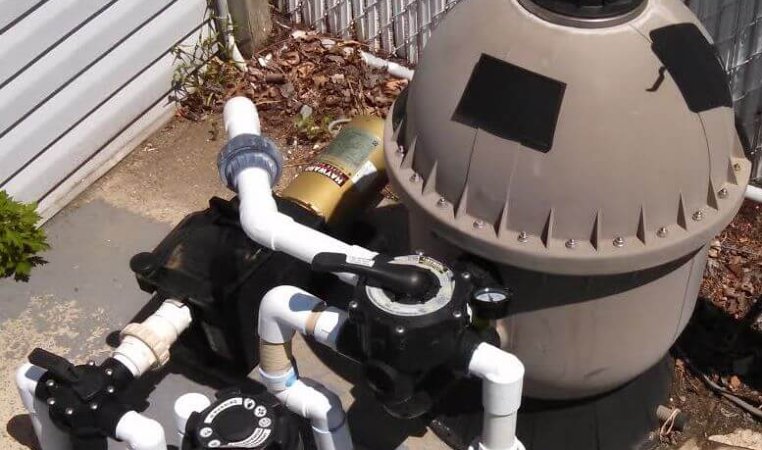
Top 10 Swimming Pool Sand Filter Problems You Can Fix Yourself
If you have dirty water, chances are you might have one or more pool sand filter problems. Learn how and why it happens and how to troubleshoot your filter
How To Raise Your Swimming Pool pH
Some brands of pH increaser are just sodium carbonate which is washing soda. Learn when and how much washing soda to add to your pool to raise the pH level.
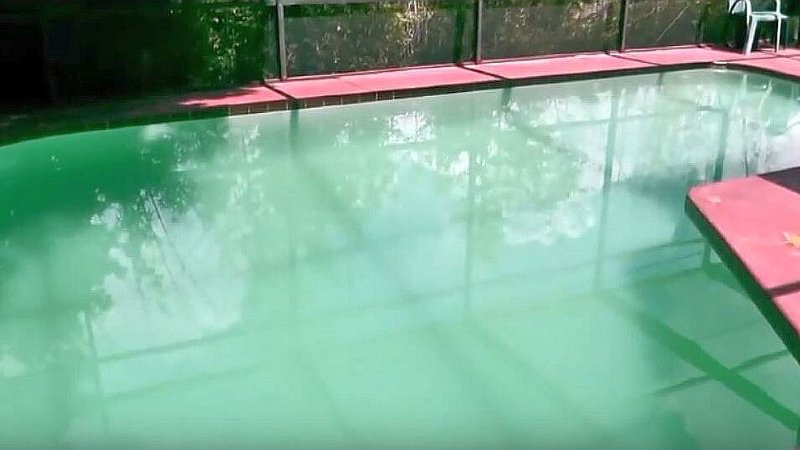
How To Fix Cloudy Pool Water
Cloudy pool water looks bad and uninviting. But there's good news. You can easily learn how to clear it up fast and get back to swimming.
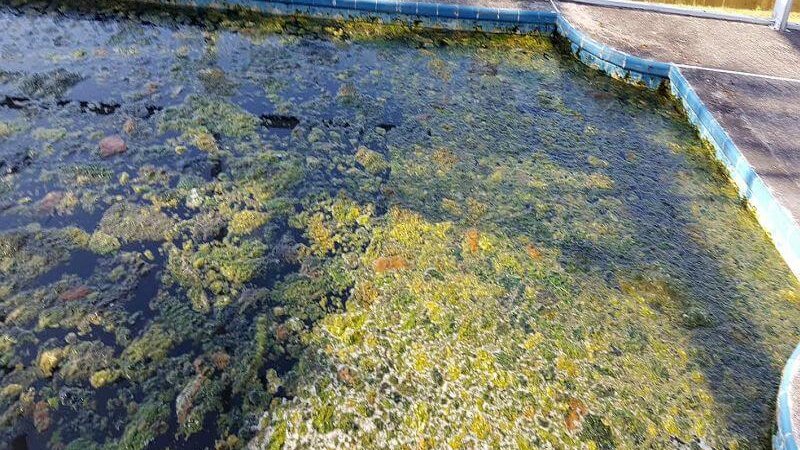
How To Clear Green Pool Water In 5 Days Or Less
No worries if you have green pool water or an algae problem. With just a few steps and some chemicals you'll be swimming in no time.
How To Use Muriatic Acid To Lower Your Pool’s Alkalinity
Muriatic acid is a great way to lower your pool's alkalinity. But be careful as it's very corrosive.
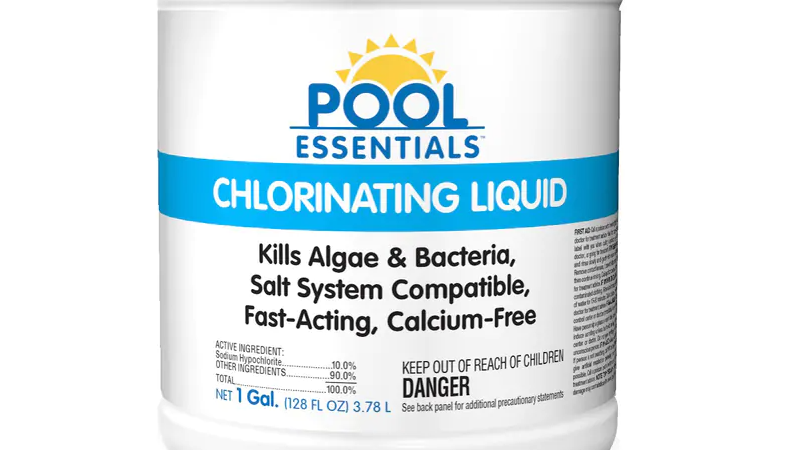
Why Sodium Hypochlorite Liquid Chlorine Is The Best Pool Shock
Do you need to shock your pool? Does pool shock make a difference? Give sodium hypochlorite a try.
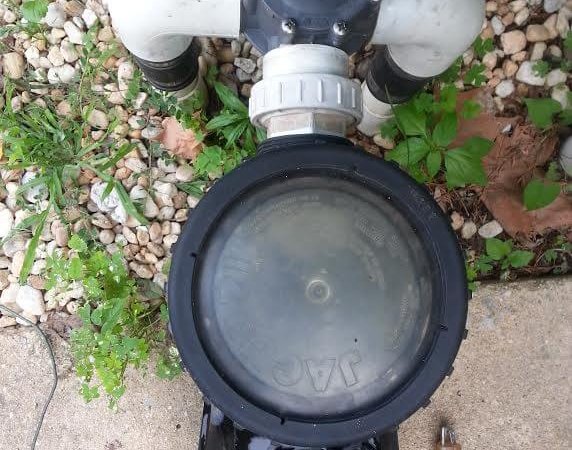
How To Prime A Pool Pump
Trying to figure out how to prime your pool pump might seem difficult. No worries, just follow these easy steps.
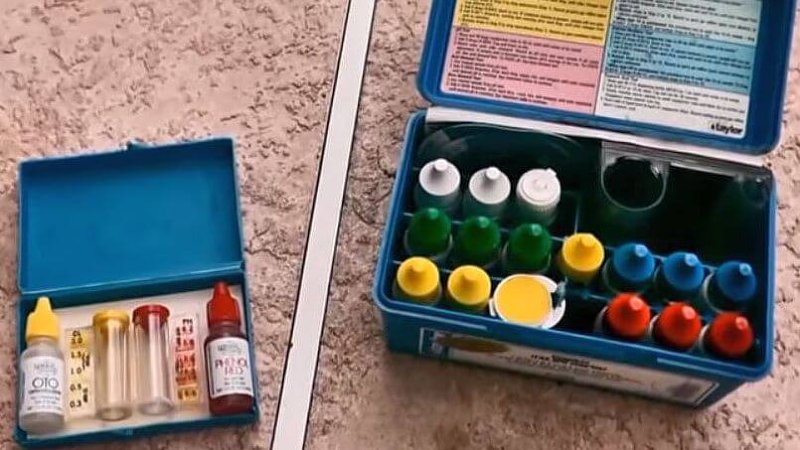
Your Complete Guide To Pool Water Testing
Pool water testing is the cornerstone of your pool. Learn how, when, and why you should always test your pool water and how to fix it.
Professional Swimming Pool Care Help and Advice
I was getting so many emails, questions and phone calls about pools not being clear and balanced. I heard their frustration at having spent so much time and money and still not being able to enjoy their pool. There are numerous variables that can cause your water to be green, cloudy, unbalanced, etc.. and it seems there are 10 products for each problem. It's easy to become confused. Most resort to going to their local pool supply store for answers.
The beauty of this is there's simply no better way to clear up your pool and keep it that way. The previous information you were getting about your pool simply goes against universal principles that apply equally to every salt and chlorine pool in the world.
Folks, this is absolutely 1st Grade stuff. So easy you'll be truly amazed!! Believe me, if you can add chlorine, sweep, and empty the skimmer basket, you can have a perfect pool!!
Your only regret is you didn't start earlier. Fair enough?
Trouble Free & No Problems With Clean Pool and Spa
My friends, I've personally cleared up over 700 green and cloudy pools over the last 20+ years. How can millions of pool owners all over the world be wrong after using my proven system? I started my pool journey in Mesa, Arizona in 1999, then moved to Oregon, and now I'm in Florida. And I was the pool operator for the YMCA in Oregon starting in 2008. I'll walk you through the best swimming pool care ways to keep your pool looking its best.
If I can do this for millions of people around the world, imagine what I can do for your swimming pool care and maintenance!! I'm always available to answer your questions via email, personal phone consultations, and through SKYPE. To take it a few steps further, I offer eBooks and a professional grade video series that guarantee your success. Be sure the check out the Testimonial page on Clean Pool and Spa as well.
