How To Raise Your Swimming Pool pH
Not a chemistry nerd? That shouldn't stop you from having the pool of your dreams!! Raising your swimming pool pH level takes only a few minutes and a little knowledge. It's no problem if your pH level is a little low. We'll go over your pool pH is, why it's important, what causes low pH, and of course, how to easily raise the pH level in your pool.
What Is Pool pH?
It's the Power of Hydrogen. The definition of pH is a measure of hydrogen ion concentration and has a range from 0-14, 7.0 being neutral. Anything under 7.0 is acidic and anything over 7.0 is basic, or alkaline.
What's The Correct Range For My Pool pH?
Some may say the optimal range for your swimming pool pH is very narrow at 7.4 - 7.6. This is too narrow and very difficult to control. Your pool pH level is fairly nice, so you can plan on shooting for 7.2 - 7.8.
Why Should I Raise My Pool pH?
Our pool chemistry has ranges, and we should do our best to maintain the chemicals within those ranges. When things are out of range, too high or low, they can cause problems.
Acidic low pH levels can lead to maintenance headaches like erosion of tile, grout, coping, and the corroding of plumbing and pool ladders. Low pH can also cause discomfort for swimmers like burning eyes and itchy skin.
Why Causes Low Swimming Pool pH?
The occasional fluctuation in your pool pH is nothing to be concerned about. Things go up and down all the time. It's the sustained low pH level that we need to watch, and take the appropriate measures to bring the level up to its respective range. Some reasons that your pH level is low could be:
- Adding too much muriatic acid or dry acid for your size pool.
- Not adding enough pH Increaser for your size pool.
- Acid rain.
- Swimmers with lots of oils and lotions.
- Alkalinity out of its range of 80 - 120 ppm.
Do I Need Professional Strength Chemicals?
You can find the chemicals the pros use at your local grocery store or your pool supply store. There's no such thing as professional strength when it comes to pool chemicals. It's just a fancy way of saying you're paying twice the amount for the exact same product.
How To Raise Your Swimming Pool pH Level Using Washing Soda
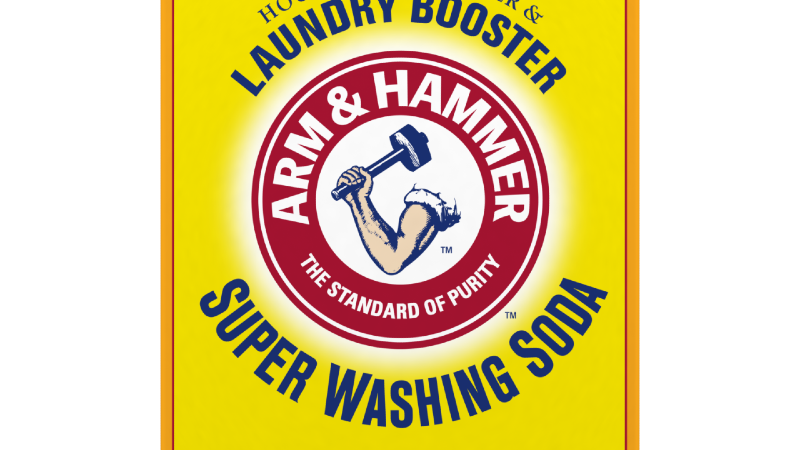
I chose Arm & Hammer Washing Soda because it's readily available and pretty safe to use. To raise your swimming pool pH, you will need:
- Gloves and safety goggles.
- Grungy long pants and shirt.
- A box of washing soda.
- Dedicated measuring cup.
- 4 or 5 gallon bucket.
- Dedicated stir stick. PVC pipe works great.
1. Put On Your Protective Gear and Clothing
Even though washing soda is great, we should still follow all safety precautions. This stuff can sting if it gets in your eyes. Don't' ask me how I know. Let's dress for success.
2. Test Your Pool pH and Alkalinity Level
Your pH should be 7.2 - 7.8 and your alkalinity should be 80 - 120 ppm. If your pH level is too low, it's time to raise it.
3. Fill Your Bucket With Pool Water
Fill your bucket 1/2 - 2/3 up with pool water.
4. Measure Out The Right Amount Of Washing Soda
Using your dedicated measuring cup, measure out the amount of washing soda you'll need. Go to the Pool Calculator for the amount.
5. Add The Washing Soda To The Bucket
Always add the chemical to the water, never the water to the chemical.
6. Mix With Your Dedicated Stir Stick
Grab your PVC pipe, or whatever you've chosen as your stir stick, and gently mix the chemical in the water filled bucket.
7. Add The Mixture To Your Pool
Carefully, and starting in the deepest part of the pool, add the mixture around the perimeter of the pool. If you have an above ground pool, you may want to do this in stages.
8. Sweep Your Pool
Sweep your pool very well after adding your mixture. This will ensure the washing soda will get circulated in the water.
9. Turn The Pump Motor On and Circulate The Water
Adding chemicals is systemic, meaning, the chemical must go through the entire system before testing. You will want to test your pool pH level after 8 - 10 hours and make another adjustment if needed to get your pH in the correct range of 7.2 - 7.8.
How Do I Keep My pH Level Balanced?
There are several things you can do to help keep your pool pH level in the right range, and you'll see immediate results.
1. Test Your Chemicals On A Weekly Basis
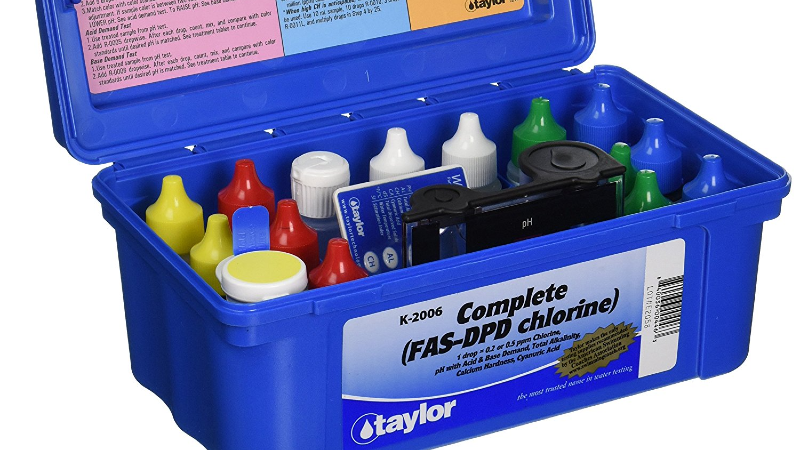
We must test to know where our chemical levels are. Only after this can we know if our chemicals are in or out of range. The test kit pool professionals use is the Taylor K-2006.
2. Limit Products That Cause Pool pH To Decrease
Over-use of muriatic acid or dry acid can quickly reduce your swimming pool pH. Know your size pool and how much acid to add.
3. Keep Your Pool Clean
Sweeping and vacuuming is essential to having a clean pool and will assist in keeping your chemical levels in check.
4. Maintain Your Filter
We will never clean dirty water with a dirty filter. Keeping our filters clean will ensure safe and clean water. Remember to properly backwash your filter when needed.
5. Keep Oil and Lotions Out Of Your Pool
Oily substances are not a pool's best friend. They may lower your swimming pool pH and cause clogged filters.

How To Become Swimming Pool pH Pro
The best thing we can do to keep our pools cleaned and well-maintained is by learning and staying on schedule. This will certainly decrease the amount of future problems. When problems arise, you'll be armed with the knowledge and expertise to tackle them.
What Other Visitors Have Said
Click below to see contributions from other visitors to this page...
pH Level Of My Pool 
The pH level of my Intex pool (15 feet diameter) is very low and I have put in 2 boxes (in total 2 lbs) of Arm & Hammer Baking Soda into the pool. The …

