- Home
- Troubleshooting
- Chlorine Lock
How To Cure Chlorine Lock and Chlorine Demand
Chlorine lock and chlorine demand are problems that you might encounter from time to time. Is this right? You've heard it for years. The chlorine in my pool is somehow locked up and we need to get it unlocked, right? Well, before we start dumping tons of chlorine in our pool, let's dive into this a bit further and see what the truth really is.
What Is Chlorine Lock?
What is chlorine lock? There's a rumor going around that your chlorine can't do it's job of killing organics in the pool. This is actually true, however, as we dig a bit deeper we're going to see this for what it is. To put it simply, it doesn't exist. Your pool's chlorine is never "locked up". My friends, chlorine can only be one of two things: It's either effective or not effective at doing its job. What's its job? At killing organic matter in the pool. And chlorine's effectiveness is dependent upon your CYA and pH level. That's chemistry and that's how this stuff works. Check your pool's chlorine demand so you'll have a proper foundation upon which to understand and build.
Now, can you have too much or too little stabilizer in the pool? Absolutely you can. In fact, you can have too much of any chemical in your pool. As long as you follow the manufacturer’s instructions when adding chemicals and test on a regular basis, you'll keep the water balanced.
What Is Chlorine Demand?
Chlorine demand is a real thing. You add chlorine to the pool, but it can only do so much. And there's only a limited amount of chlorine in your pool at any given time. Your chlorine has a pretty big job to do and it's important to maintain the right chlorine level of 2 - 4 ppm.
What Causes Chlorine Demand?
Let's keep this simple. Chlorine does three things: oxidize, sanitize, and kills organic matter in the pool. That's it. Residual chlorine is when any organic matter (animals, swimmer sweat, urine, saliva, green pool algae, brown algae, grass clippings, leaves, etc...) enters the pool. Your chlorine oxidizes this matter and kills it. The more organic matter you have in your pool, the more chlorine is needed. This is not to be confused with combined chlorine or free available chlorine. Chlorine demand is the amount of pool chlorine (or Bromine) your swimming pool, Spa, or Hot Tub is using. Knowing this will also tell you how much organic matter is in your swimming pool.

How To Measure Chlorine Demand
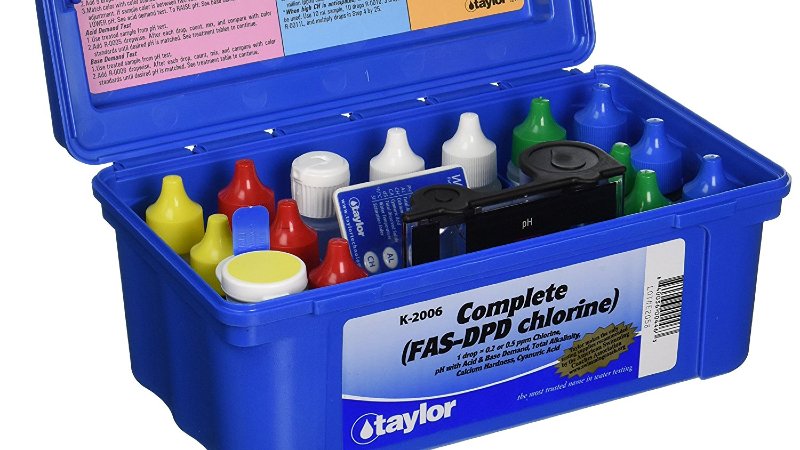
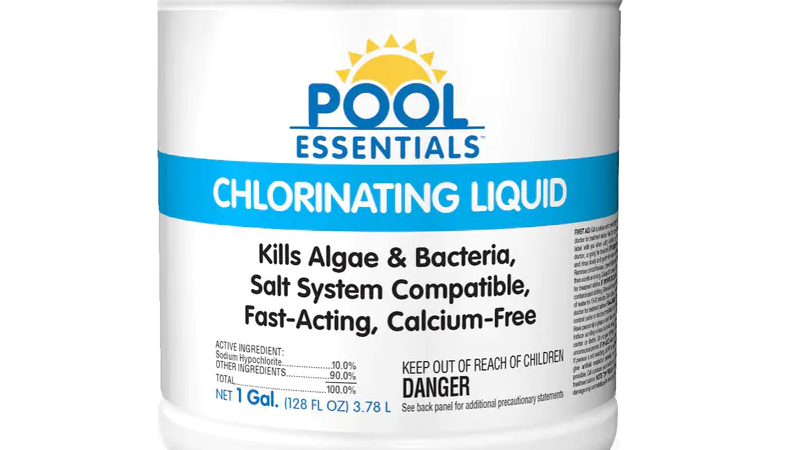
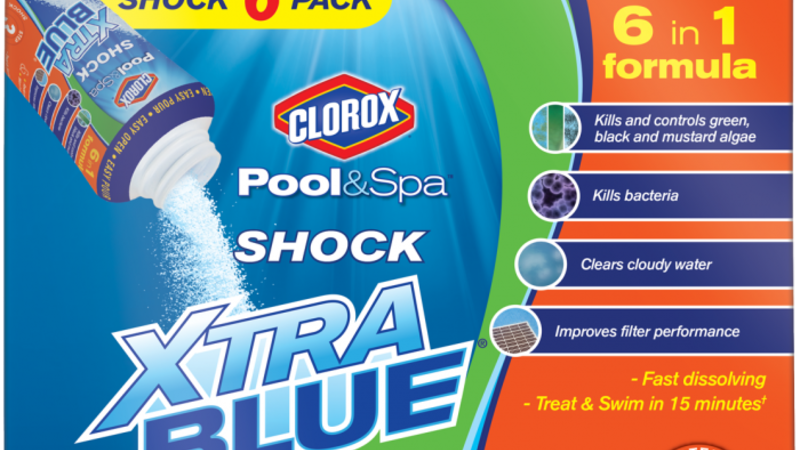
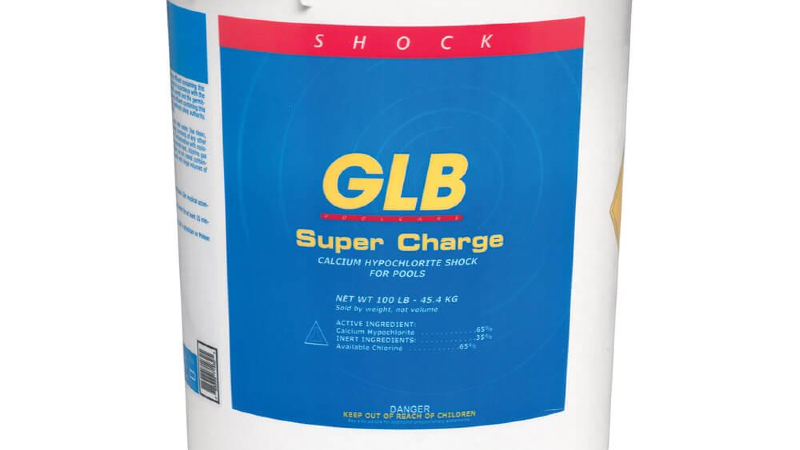
To measure your residual chlorine (and this can be done for either your swimming pool or Hot Tub) you should first measure your pool chlorine level with a good pool water testing kit. I recommend the FAS-DPD K-2006 Taylor test kit. Perform a good pool shock up to 10 ppm or maybe even a little over. I like sodium hypochlorite/liquid chlorine or bleach. Calcium Hypochlorite will raise your pool pH too high because it has a pH of 12. Allow the swimming pool to sit for 24 hours. If you're doing this with a Hot Tub, you can cover it. Don't use the swimming pool or hot tub during this process, or use neutralizing chemicals. You will get a wrong reading along with very itchy skin. After the 24 hours, re-test the chlorine once again.
Take the 2nd measurement (after the pool shock) and divide it by the 1st measurement (your initial chlorine reading). You now have the information you need. This will tell you how much pool chlorine (hypochlorous acid) is left in the body of water after 24 hours. You'll want to have the highest number possible, but 100% is reaching for it. This means your swimming pool is not using any chlorine, which is highly unlikely. A 0% reading is not good either because you're using up all the chlorine very quickly.
How To Fix Chlorine Demand
So the good news is chlorine demand is an easy fix. After you perform a chlorine demand test, you'll first want to make sure all your chemical readings are in line. Total alkalinity should be 80 - 120 ppm. pH is good at 7.2 - 7.8. Your calcium hardness level is 150 - 250 ppm, and CYA is 30 - 50 ppm.
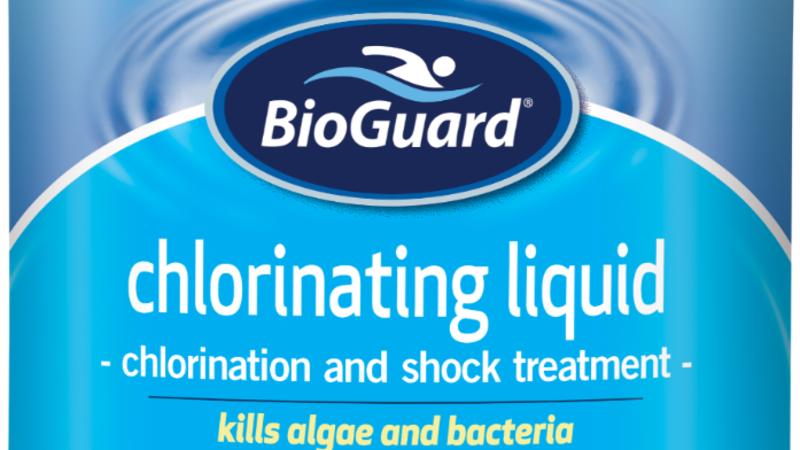
Now it's time to superchlorinate the water and the way we're going to do this is by shocking your pool. You'll want to increase the chlorine level up to 20 ppm using liquid chlorine. Use 1.5 gallons of fresh liquid chlorine shock per 10,000 gallons.
Are Chlorine Lock and Chlorine Demand the Same?
The short answer is no, they're not. Some may use the terms interchangeably, but they’re not the same problem. Chlorine demand can be solved by keeping your pool chemicals balanced and adding enough chlorine a couple times a week to keep up with its needs. Chlorine lock doesn't exist, but is used by many in the pool industry. Remember, our chlorine will always and forever be either effective or not effective.
Will Chlorine Demand and Chlorine Lock Fix Itself?
Chlorine demand can be taken care of with a few easy steps as outlined above. Just take swift action to correct it. Nothing to worry about with chlorine lock. Now it's time for a swim!!
Recommended Reading
Swimming Pool Resources For Beginners & eBooks
Swimming Pool Resources Offers Your Swimming Pool Maintenance Tips Along W/ eBooks & Consultations.
Beginner's Guide To Basic Pool Chemistry
Balancing Your Pool's Chemicals Is The Key To Clean and Safe Water. Learn How, What, and When To Add Chemicals To Your Pool.
Why Sodium Hypochlorite Liquid Chlorine Is The Best Pool Shock
Do you need to shock your pool? Does pool shock make a difference/? Give sodium hypochlorite a try.
How To Shock a Pool
When was the last time you shocked your pool? Learn when, what, and how to shock your pool to kill algae and contaminants.
The Difference Between Liquid Chlorine and Chlorine Granules
Is Liquid Chlorine or Chlorine Granules Better for Your Pool? It Depends On Your Pool and Situation.
Calcium Hypochlorite Shock For Your Pool
Are you using a different type of pool shock? Does pool shock make a difference? If you need to shock your pool, consider calcium hypochlorite.