- Home
- Troubleshooting
- Pool Chlorine
8 Ways To Solve Your Pool Chlorine Problems
Mastering pool chemistry is not all that difficult, and that includes your pool chlorine. In fact, I taught over 35 lifeguards at the YMCA in Oregon the ins-and-outs of pool water chemistry and how to maintain a 125,000 gallon commercial salt pool. Many of them were only 16 years old. Believe me, if they can get it and do it, you can as well. It just takes the right information and a little diligence.
What Is Pool Chlorine?
Chlorine is the disinfecting chemical most often used in swimming pools. The chlorine that you add to your pool water breaks down into hypochlorous acid (HOCl) and hypochlorite ion (OCl-). The main difference between the two is hypochlorous acid is able to oxidize the algae spores and bacteria in seconds, while hypochlorite ions can take up to 30 minutes.
Does My Pool Need Chlorine?
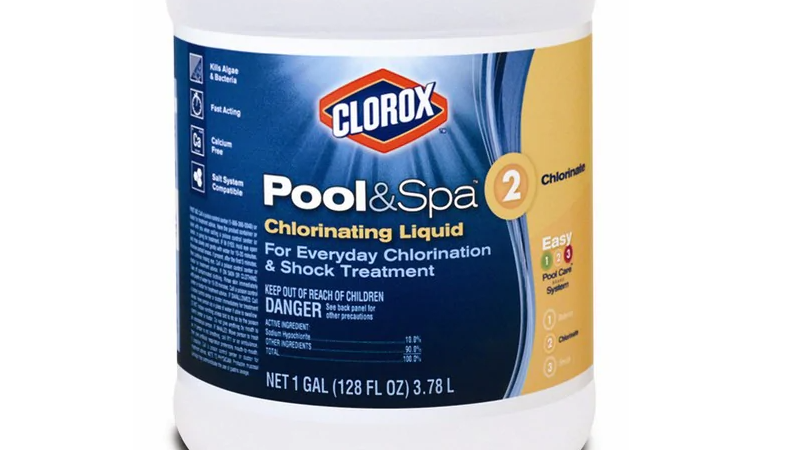
Swimming pools don't need chlorine, per se, but they absolutely need some type of agent to keep the water clean and safe to swim in. That's why pool chlorine is the choice for most pool owners. Effective and maintained levels of chlorine will keep your pool water safe by killing and preventing algae and neutralizing harmful bacteria and microorganisms. When chlorine is added to your pool, it breaks down into hypochlorous acid and hypochlorite ion, as stated above. Both chemicals are an important part of your pool hygiene.
What Does Chlorine Do?
Pool chlorine does three things. It:
- Oxidizes
- Sanitizes
- Kills organic matter
Those are its only functions in life. That's what it's designed for and it does a very good job at doing it. Proper levels of chlorine need to be maintained in order for it to do this very important job. Chlorine can protect your swimmers from waterborne illness and pathogens and is great for both inground pool and above ground pools. But be warned, high levels of chlorine can be dangerous and hazardous to your breathing. For those who have a sensitivity to pool chlorine, you can try an ionizer or a non-chlorine shock.
The Most Common Pool Chlorine Problems
So we've talked about what chlorine is and why your pool needs chlorine, or at minimum, why you need a sanitizing agent in your pool. Now let's take a look at the most common pool chlorine problems you may have during your pool life. Once you can identify the problem, applying the solution is easy.
1. My Pool Chlorine Is Too Low
Your pool chlorine could be low for a few reasons such as:
- Not adding enough chlorine for your size pool.
- Using old or out of date chlorine.
- Adding it during the hottest part of the day. Chlorine might be quickly burning off.
- pH and CYA are out of range. This can cause your pool chlorine to be less effective.
- High bather load.
- High contamination such as leaves or other kinds of organic matter.
- Getting a false positive low reading.
- Using the wrong test kit.
2. My Pool Chlorine Is Too High
This one is a little easier. You could simply be adding too much chlorine too often for your size pool. Or you could be getting another false positive. Make sure your test kit is fresh and the Reagents are not expired. Stop adding chlorine and will eventually come down into the proper range. I use and recommend the Taylor K-2006 pool test kit.
3. I'm Not Getting A Free Chlorine Reading
Not getting a free chlorine reading could be:
- High chlorine demand.
- Too much organic matter in your pool.
- High bather load.
- False low reading.
- Not using a good or new test kit.
- Pool chemicals are not properly balanced.
- Excessive rain or topping off of the pool. Basically, lots of new water added to the pool.
- Improper pH and/or CYA level.
4. No Chlorine Reading After Shocking My Pool
The chlorine level in your pool should be pretty high after shocking, between 10 ppm - 15 ppm. If you're not getting a chlorine reading:
- Didn't use enough pool chlorine to properly shock your pool.
- Too much organic matter in your pool.
- False low reading.
- Not using a good or new test kit.
- Pool chemicals are not properly balanced.
- Test too quickly. Allow 8 - 10 hours of filtering, then retest your pool chlorine.
5. I Added Too Much Shock To My Pool
If you over-shocked your pool, or added too much chlorine, you can actually “bleach out” your test strip or Reagents, giving you a false reading. Most test strips and Reagents can't handle excessive amounts of chlorine. It might appear that you have no pool chlorine at all and as a result, you might add more chlorine which will not serve your pool very well. The best thing is to allow your pool chlorine the time to oxidize the organics in the pool. Wait a couple of days before resting testing your water. You're going to need to wait it out.
If you're in a hurry, you might want to do a partial drain and refill of the pool water. This will effectively dilute the chlorine to make it a little more manageable.
6. My Pool Turned Green After Shocking
This common pool problem is normally an overdose of copper in your pool water. When you have high copper in the fill water and then add chlorine, a chemical reaction takes place. This chemical reaction results in emerald green pool water. Copper can be found in well water and some city municipalities, and is also found in algaecides and metal based sanitizing agents.
If you're using a copper algaecide, you'll want to stop using it and only use a PolyQuat 60 algaecide. It contains no metals and is safe for vinyl liners. Next, you can do a partial drain and refill. Unfortunately, once the copper is in your pool, it's in there, and there's no chemical to remove or counteract its properties. If you can, avoid using well water that has a high copper content and look into getting pool water delivered to you.
Make sure you're using a good metal sequestrant and follow the directions on the bottle. Make sure you're testing your pool water for metals on a consistent basis if you're using well water.
7. My Pool Turned Brown After Shocking
Brown pool water is very similar to a pool turning green after adding chlorine. Only this time, it's high iron which is commonly found in well water. How to fix this problem is the same as if you're pool turned green after shocking.
8. Chlorinate My Pool Without Raising The CYA
If you want to chlorinate your pool without raising the CYA, you can use liquid chlorine or chlorine granules. Both can handle your chlorine needs, but I choose to use liquid chlorine over granular chlorine, sometimes called calcium hypochlorite. It dissolves quickly, kills organics in the pool, and it won't raise your pool calcium hardness which is important if you have hard fill water.
You'll also want to minimize the use of stabilized forms of chlorine such as chlorine tablets and granular dichlor and trichlor.
Become A Pool Chlorine Pro
How not to worry about your pool chlorine problems is half the battle. Worry happens when we have an issue, but not the solution. Now you have several solutions. Take your time and make sure to test your pool chlorine twice per week. Prevention is worth its weight in gold. Be proactive and chances are you won't have any pool chlorine issues to begin with.
What Other Visitors Have Said
Click below to see contributions from other visitors to this page...
High TA, CYA, Low FAC and Trying To Understand This All!!! 
First of all you are a God-send! I have been researching all your advice to the place where it kind of is making some sense for a new, never before pool …
How Do I Chlorinate Without Raising The Cyanuric Acid (CYA)
I have a 18 X 36 28,000 inground pool with a sand filter. The first test this season with the pool store gave us a reading of 90ppm in cyanuric acid. The …
How Long Do I Need To Wait Before Swimming After Adding Swimming Pool Chemicals?
How long do I need to wait before swimming after adding swimming pool chemicals after each of the following:
1. total alkalinity and pH increaser
…
Perfectly Clear Pool Water. Chlorine Disappears Fast. Not rated yet
I recently opened my pool up for the summer. Apart from a few leaves that found their way under the tarp the water was perfect. I vacuumed out leaved and …
High Free Chorline Not rated yet
My name is Bernie and I’ve watched 2 of your videos now and thank you they where very helpful. I just took over the management of a hotel and am s novice …
Having Difficulty With No Free Chorine.. Not rated yet
I have a OVAL 12X 24 = 8334 GALLONS = 7372 CAPACITY pool.
Since July 8, I have been trying to tame this monster.
The water looks crispy clean …
