How to Raise Pool Alkalinity with Baking Soda: Easy 6-Step Guide
Baking soda is a safe, cheap way to raise pool alkalinity at home. This guide shows you exactly how much to use, step-by-step instructions, and tips to save money on pool care.
Why Use Baking Soda for Pool Alkalinity?
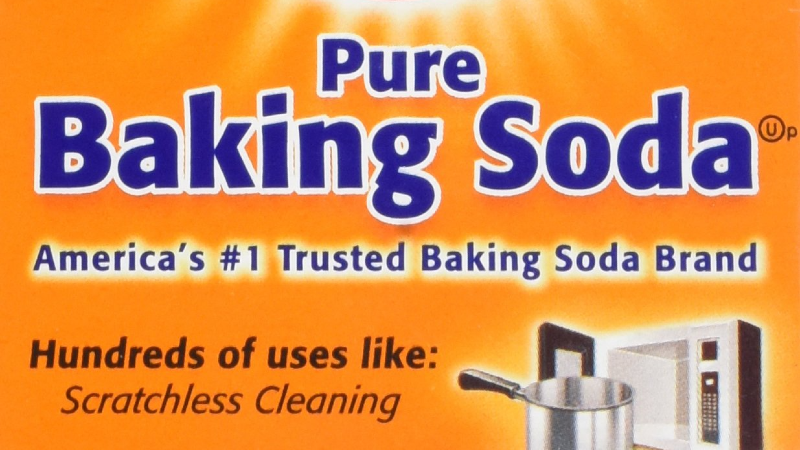
This is why we TEST TEST and TEST our pool water. Baking soda, also called sodium bicarbonate, is the same stuff in store-bought alkalinity increasers. The only difference? Store products cost much more! Using baking soda in your pool gives you the same results for less money.
Benefits of baking soda over store-bought products:
Baking soda costs about $1 per pound at most stores. Pool store alkalinity products can cost $3-5 per pound for the exact same chemical. Baking soda is also easy to find at any grocery store. It's gentle on your skin and won't hurt your pool equipment. Plus, you can buy it in bulk to save even more.
🏊 Pro Tip #1: Keep a pool maintenance log. Write down when you backwash, what your pressure readings are, and any chemicals you add. This helps you spot problems early.

6-Step Guide to Increase Pool Alkalinity With Baking Soda
You can use this tool for your pool calculations. Once you know your pool water volume, you're half way to success.
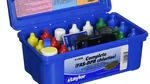
- Test Your Water First – Use a Taylor K-2005 or Taylor K-2006 test kit to check your current pool alkalinity level. The ideal range is 80-120 ppm.
- Calculate How Much You Need – For a 10,000 gallon pool, use 1.5 pounds of baking soda to raise alkalinity by 10 ppm. If your level is 70 ppm and you want 100 ppm, you need about 4.5 pounds.
- Turn On Your Pool Pump – Make sure the water is moving before you add anything. Good circulation helps the baking soda mix evenly.
- Add the Baking Soda – Walk around your pool and spread the baking soda near the edges. Don't dump it all in one spot. This helps it dissolve faster.
- Let It Circulate – Keep your pump running for 6-8 hours. This gives the baking soda time to fully mix with all the water.
- Test Again – After waiting, use your test kit to check the alkalinity. If it's still low, repeat the process with smaller amounts.
🏊 Pro Tip #2: Never add more than 1.5 pounds per 10,000 gallons at one time. It's better to add small amounts and test again than to add too much.
Baking Soda vs. Soda Ash: What's the Difference?
Both baking soda and soda ash are safe to add directly to your pool. For this procedure you'll need:
- Enough baking soda for your size pool
- A glass measuring cup
- Safety goggles
Many pool owners confuse these two products. Here's the simple difference:
Baking soda (sodium bicarbonate) mainly raises alkalinity. It has a small effect on pH. Use it when your alkalinity is low but your pH is okay.
Soda ash (sodium carbonate) raises both pH and alkalinity at the same time. Use it when both levels are too low.
For most people who need to increase alkalinity in their pool, baking soda is the better choice because it won't throw off your pH balance.
What Happens If I Add Too Much Baking Soda?
⚠️ Warning: Adding too much baking soda can cause problems. Your water may turn cloudy or milky. Your pH level might climb too high. High alkalinity makes it hard to balance other chemicals. You may need to add muriatic acid to bring levels back down. Always add baking soda slowly and test often!
If you accidently over-shoot your alkalinity mark and use too much baking soda, there are some simple things you can do such as:
- Add some water to dilute the baking soda. Only do this if you already have lower alkalinity fill water.
- Add muriatic acid to lower the alkalinity
When to Test Your Pool Alkalinity
Your pool water chemistry changes often. Always test your alkalinity with a Taylor K-2005 or Taylor K-2006 test kit after these events:
After backwashing – Backwashing removes water from your pool. When you add fresh water, it changes your chemistry. Test and adjust as needed.
After adding water – Tap water has its own alkalinity level. Adding a lot of water can raise or lower your pool's balance.
After it rains – Rain can be acidic and can dilute your pool water chemistry. Heavy rain can drop your alkalinity fast. Always test after storms.
🏆 Pro Tip #3: Keep a log book of your test results. This helps you spot patterns and know how much baking soda your pool typically needs.
Special Tips for Saltwater Pools
Good news! Baking soda works great in saltwater pools. In fact, keeping proper alkalinity is extra important for salt systems. Low alkalinity in saltwater pools can damage your salt cell. The cell works harder and wears out faster. Proper alkalinity (80-120 ppm) protects your equipment and saves money on repairs. Use the same 6-step process above. The amounts stay the same. Just make sure your chlorine cell is working while the baking soda circulates.
3 Money-Saving Tips for Pool Alkalinity
1. Buy in bulk – A 13.5-pound bag of baking soda costs around $7-10. That's enough to treat most pools several times.
2. Test before you treat – Don't guess! Testing first means you use only what you need. Wasting baking soda wastes money.
3. Maintain weekly – Small, regular additions cost less than fixing a big problem. Check your pool chemistry every week.
Frequently Asked Questions
How much baking soda do I need for a 10,000 gallon pool?
You need about 1.5 pounds of baking soda to raise alkalinity by 10 ppm in a 10,000 gallon pool. Always test first to know your starting point.
Can I use baking soda in a saltwater pool?
Yes! Baking soda is safe for saltwater pools. It actually helps protect your salt cell from damage caused by low alkalinity.
What happens if I add too much baking soda?
Too much baking soda makes your water cloudy and raises your pH too high. You'll need to add muriatic acid to fix the balance.
How long should I wait to swim after adding baking soda?
Wait at least 6 hours after adding baking soda. Let the pump run the whole time so it mixes completely.
What is the difference between baking soda and soda ash?
Baking soda mainly raises alkalinity with little pH change. Soda ash raises both pH and alkalinity together. Choose based on what your pool needs.
Conclusion
Using baking soda to raise pool alkalinity is easy, safe, and saves you money. Follow the 6 steps above, test your water regularly, and enjoy a balanced pool all season. Whether you have a regular pool or a saltwater system, baking soda is a smart choice for every pool owner.
You might like these
Calcium Hardness in Pools: Complete Guide to Testing & Balancing
Keep your pool water balanced and protect your investment. Learn everything about calcium hardness in simple terms.
Swimming Pool Resources For Beginners & eBooks
Swimming Pool Resources Offers Your Swimming Pool Maintenance Tips Along W/ eBooks & Consultations.
Why Sodium Hypochlorite Liquid Chlorine Is The Best Pool Shock
Do you need to shock your pool? Does pool shock make a difference/? Give sodium hypochlorite a try.
15 Money Saving Tips For Your Pool
Do you want to save more money on your pool maintenance? Use these money-saving swimming pool tips and see immediate results!
How to Use Muriatic Acid to Lower Your Pool’s Alkalinity
Muriatic Acid Is A Great Way To Lower Your Pool's Alkalinity. But Be Careful As It's Very Corrosive.