Calcium Hardness in Pools: Complete Guide to Testing & Balancing
Keep your pool water balanced and protect your investment. Learn everything about calcium hardness in simple terms.
What Is Calcium Hardness in Swimming Pools?
Calcium hardness measures how much calcium is dissolved in your pool water. Think of it like minerals in drinking water. Your swimming pool needs the right amount of calcium to stay healthy and look great.
When calcium levels are correct, your water is "balanced." This protects your pool surfaces, equipment, and keeps swimmers comfortable. The ideal pool calcium level for most pools is 200-400 parts per million (ppm).
🏊 Pro Tip #1: Test your fill water before adding it to your pool. Many areas have hard water with high calcium already. Knowing this helps you plan your pool water chemistry better.
Ideal Pool Chemical Levels Chart
Good pool chemical balance means keeping all levels in the right range. Here are the numbers you need to know:
| Chemical | Ideal Range |
|---|---|
| Calcium Hardness | 200-400 ppm |
| Free Chlorine | 2-4 ppm |
| pH Level | 7.4-7.8 |
| Total Alkalinity | 80-120 ppm |
| Cyanuric Acid (Stabilizer) | 30-50 ppm |
How to Test Pool Water Correctly
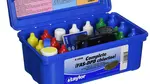
Testing your pool water regularly is the key to good swimming pool maintenance. The Taylor K-2005 and Taylor K-2006 test kits are trusted by pool pros everywhere. They give accurate results you can count on.
Why test each chemical?
Chlorine kills germs and keeps water safe. pH affects how well chlorine works and swimmer comfort. Alkalinity helps keep pH stable. Calcium hardness protects surfaces. Stabilizer protects chlorine from the sun. You may either replace some or all of your pool water or have pool water trucked in.
🏊 Pro Tip #2: Always test water at elbow depth, away from return jets. Take samples in the morning before heavy use for the most accurate results.
How to Raise Calcium Hardness
Low calcium causes water to pull minerals from pool surfaces. This damages plaster, grout, and equipment. Here is how to fix it:
Products to use:
• Calcium Chloride Flakes (fastest option)
• Calcium Chloride Granules
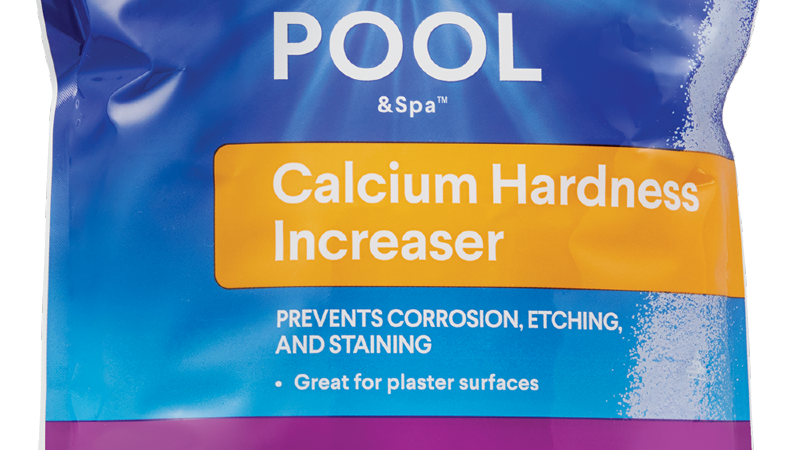
• Calcium Hardness Increaser (brand names: Leslie's Hardness Plus, In The Swim Calcium Increaser)
Steps: Calculate how much you need based on pool size. Add the product slowly to the deep end while the pump runs. Wait 24 hours. Test again and adjust if needed.
How to Lower Calcium Hardness
High calcium causes white scale on tiles, cloudy water, and clogged filters. Unfortunately, no chemical removes calcium directly. Your options are:
- Partial drain and refill - The most effective method. Drain 1/4 to 1/3 of your pool and add fresh water.
- Use a flocculant - Products like Pool Floc help some calcium settle so you can vacuum it out.
- Calcium reducers - Products like Natural Chemistry Calcium Reducer can help in mild cases.
A partial drain and refill is the best option, but you may not want to fill from your water source. Check out the many places that have pool water delivery services. This water has already been treated and is ready to go in your swimming pool.
Special Section: Saltwater Pools and Calcium Hardness
Saltwater pools need extra attention to calcium levels. High calcium damages the salt cell, which costs $400-$800 to replace. Keep calcium at 200-400 ppm in saltwater systems.
The salt chlorine generator works best when all chemistry is balanced. Check calcium monthly and before closing your pool for winter. Many saltwater pool owners find their calcium drops faster than traditional pools.
Problems With Wrong Calcium Levels
Too Low (under 200 ppm): Etching and pitting on plaster surfaces. Corroded metal parts. Grouting dissolves. Water feels "aggressive" and irritates skin.
Too High (over 400 ppm): White scale buildup on tiles and equipment. Cloudy, dull water. Clogged filters and heaters. Rough pool surfaces. Remember, we can ALWAYS add more calcium hardness increaser to the pool to get it in the correct range of 200-400 ppm.
💡 Pro Tip #3: If your fill water is already high in calcium (common in Arizona, Texas, and Florida), consider using a hose filter when adding water. This removes some minerals before they enter your pool.
3 Money-Saving Tips for Pool Calcium Care
💰 Money Tip #1: Buy calcium chloride in bulk from pool supply warehouses. You'll save 30-40% compared to small containers at retail stores.
💰 Money Tip #2: Test your water at home instead of paying for store tests. A Taylor K-2006 kit costs about $80 but lasts for hundreds of tests.
💰 Money Tip #3: Fix calcium problems early. Waiting until you have scale buildup or surface damage means expensive repairs. Prevention costs pennies compared to fixes.
How to Maintain Correct Calcium Levels
Good pool maintenance makes keeping calcium levels easy:
Test calcium hardness monthly. Know your fill water's calcium level. Add chemicals slowly and in small amounts. Keep pH and alkalinity balanced first—this helps calcium stay dissolved. Clean your pool regularly to prevent buildup.
Frequently Asked Questions
What is the ideal calcium hardness level for a swimming pool?
The ideal range is 200-400 ppm for most pools. Vinyl liner pools do best at 175-225 ppm. Concrete and plaster pools should stay at 200-275 ppm.
How do I raise calcium hardness in my pool?
Add calcium chloride (sold as calcium hardness increaser) to your pool. Pour it slowly into the deep end while the pump runs. Wait 24 hours and retest.
Can I lower calcium hardness without draining my pool?
Partial draining is the most reliable method. Some calcium reducer products exist, but results vary. For very high levels, draining some water is usually necessary.
Does a saltwater pool need calcium hardness?
Yes! Saltwater pools need 200-400 ppm calcium hardness. Low calcium damages the expensive salt cell and can void warranties.
How often should I test calcium hardness?
Test at least once per month. Also test after heavy rain, when adding lots of fresh water, or if you see signs of scaling or surface damage.
Conclusion
Calcium hardness is a key part of pool water chemistry that protects your investment. Test monthly with a reliable kit like the Taylor K-2005 or K-2006. Keep levels between 200-400 ppm. Fix problems early to save money and enjoy crystal clear water all season long.
What Other Visitors Have Said
Click below to see contributions from other visitors to this page...
Large Amounts Of Calcium On Pool Walls 
We have a two month old salt water pool with beadcrete plaster. About 3 weeks ago we noticed a buildup on the polaris that looked like sand particles. …
Fiber Tech Liner 
I had my concrete pool covered with a product called Fiber Tech when it was time for resurfacing.
The website talks about calcium levels but says "not …
Calcium problem Not rated yet
Calcium problem
by Julie
(Atlanta)
We have a large saltwater pool with a hot tub that we heat frequently. We had the pool put in about 2 years ago. …
High Calcium Hardness Not rated yet
High Calcium Hardness
by David Doig
(Hindly Pheonix Wigan)
I have just recently started a job to help maintain the swimming pool water. The swimming …
Build Up Of Mineral Deposits On The Tiles Not rated yet
Build Up Of Mineral Deposits On The Tiles In The Pool At The Water Line
by Lynn
(Tucson, AZ)
Our small community pool (serves an HOA of 50 homes) …
Total Calcium Hardness Not rated yet
What can be done to remove the rough surface on the pool walls. I have a 2 year old gunite pool and I have kept all the chemical readings within the parameters …
Correct Level for Calcium Hardness Not rated yet
In your u-tube video from January, 2014, you state that the correct level for calcium hardness should be 150-250 ppm and that 250-500 ppm is too high. …
You might like these
Swimming Pool Resources For Beginners & eBooks
Swimming Pool Resources Offers Your Swimming Pool Maintenance Tips Along W/ eBooks & Consultations.
Your Complete Guide To Pool Water Testing
Pool water testing is the cornerstone of your pool. Learn how, when, and why you should always test your pool water and how to fix it.
Beginner's Guide To Basic Pool Chemistry
Balancing Your Pool's Chemicals Is The Key To Clean and Safe Water. Learn How, What, and When To Add Chemicals To Your Pool.
Pool Water Delivery To Refill Your Pool Quickly and Cheaply
Choosing a good pool water delivery service in your area that works for you is important when you want to keep your pool full and your budget in check.