- Home
- Troubleshooting
- Brown Algae Pool
How to Clear Brown Algae in Your Swimming Pool: Complete 13-Step Guide
Brown algae making your pool look dirty? This easy guide shows you exactly how to remove it fast and keep it gone for good.
What Is Brown Algae in Swimming Pools?
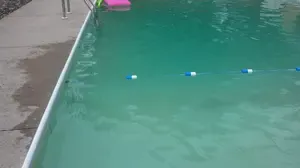
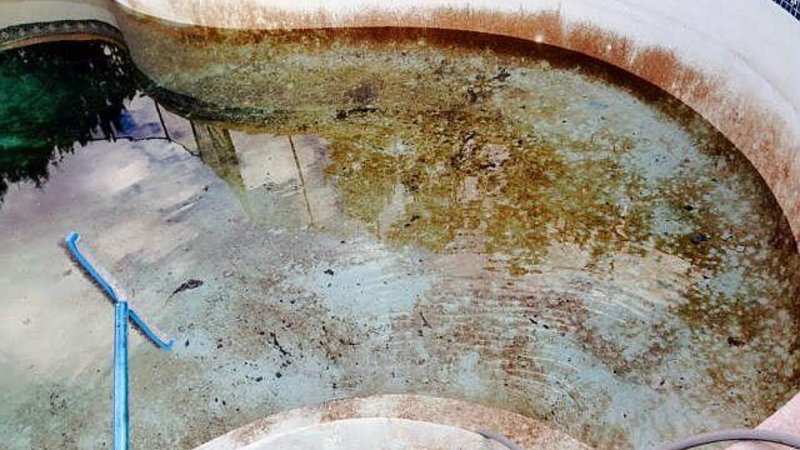
Pool algae problems are normally a direct result of poor swimming pool water chemistry, pool water maintenance, and/or bad filtration. Brown algae is actually not true algae at all. It is a type of mustard algae or yellow-green algae that looks brown or tan in your pool water. This sneaky problem often hides in shady spots on your pool walls and floor. Brown algae feels slimy when you touch it. It can also make your pool water look cloudy or murky.
Unlike green algae, brown algae is harder to kill. It sticks to surfaces and can resist normal chlorine levels. That is why you need a special plan to get rid of it.
How Does a Swimming Pool Get Brown Algae?
Your pool can get brown algae in several ways. Low chlorine levels are the biggest cause. When chlorine drops below 1 ppm (parts per million), algae can grow fast. Poor water flow and dirty filters also help algae spread. Swimmers can bring algae spores into the pool on their swimsuits or toys.
Weather plays a role too. Warm temperatures and lots of sunlight make algae grow faster. Pools that sit unused for a while are at higher risk for brown algae problems.
🔧 Pro Tip #1: Always rinse swimsuits and pool toys with fresh water before use. This stops algae spores from entering your pool.
Why Testing Your Pool Water Matters
Testing your water is the first step to fighting brown algae. You need to check five important things: chlorine, pH, alkalinity, calcium hardness, and stabilizer (cyanuric acid).
The Taylor K-2005 test kit is great for basic testing. It checks chlorine, pH, and alkalinity quickly. For more detailed results, use the Taylor K-2006 test kit. This kit also measures calcium hardness and cyanuric acid levels.
Target levels for a healthy pool:
- Chlorine: 2-4 ppm
- pH: 7.2-7.8
- Alkalinity: 80-120 ppm
- Calcium hardness: 200-400 ppm
- Stabilizer: 30-50 ppm. Salt pools can have a stabilizer level of 50-70 ppm.
13-Step Guide to Kill Brown Algae in Your Pool
Follow these steps to remove brown algae and get crystal clear water. Chemical amounts listed are for a 10,000 gallon pool.
- Test your water using a Taylor K-2005 or K-2006 test kit. Write down all your readings.
- Balance your pH to 7.2-7.4. Use 1 pound of pH Down (sodium bisulfate) if pH is high, or 1.5 pounds of pH Up (sodium carbonate) if pH is low.
- Brush all pool surfaces with a stiff pool brush. Scrub walls, floor, steps, and ladders. This breaks up the algae.
- Clean your filter thoroughly. Backwash sand filters or clean cartridge filters with Filter Cleaner by BioGuard.
- Vacuum the pool on the waste setting. This removes loose algae without sending it back into your pool.
- Shock the pool with 2-3 pounds of calcium hypochlorite or 1 gallon of liquid chlorine. Add shock at dusk for best results.
- Add algaecide. Use 16 ounces of PolyQuat 60 algaecide.
- Run your pump for 24 hours straight. Good circulation helps kill algae faster.
- Brush again after 12 hours. This loosens any remaining algae.
- Test chlorine levels. Keep free chlorine above 10 ppm until algae is gone.
- Re-shock if needed. Add another 1-2 pounds of shock if algae remains after 24 hours.
- Clean filter again. Dead algae clogs filters quickly. Clean the filter every 8-12 hours during treatment.
- Vacuum and test once water is clear. Bring chlorine back to 2-4 ppm before swimming.
🔧 Pro Tip #2: Always add pool shock at night. Sunlight breaks down chlorine and makes it less effective against algae.
Shocking Your Pool: Products and Chemicals
Shocking your pool raises chlorine levels high enough to kill brown algae. For a 10,000 gallon pool with algae, you need a strong shock treatment.
Best products for shocking:
- In The Swim Cal-Hypo Pool Shock - 68% calcium hypochlorite, fast acting
- DryTec Calcium Hypochlorite Shock - Professional strength
- Clorox Pool&Spa Shock XtraBlue - Good for regular maintenance
For brown algae, use 2-3 pounds of cal-hypo shock per 10,000 gallons. This is double the normal dose. You may need to shock twice to fully kill stubborn algae.
Special Section: Brown Algae in Saltwater Pools
Saltwater pools can get brown algae too. The salt chlorine generator keeps chlorine levels steady, but algae can still grow if the cell is dirty or worn out.
Tips for saltwater pools:
- Check your salt cell every month. Clean it with Salt Cell Cleaner if you see buildup.
- Use your pool's "boost" or "super chlorinate" mode when you first see algae.
- You can still add regular cal-hypo or liquid chlorine to shock to saltwater pools. It will not hurt your system.
- Test salinity levels. Keep salt between 2,700-3,400 ppm for proper chlorine production.
🔧 Pro Tip #3: Keep a small supply of cal-hypo shock or liquid chlorine on hand. Treating algae early saves time and money.
How to Prevent Brown Algae From Coming Back
Prevention is easier than treatment. Here is how to keep brown algae away for good:
- Test water twice per week using your Taylor test kit
- Keep chlorine between 2-4 ppm at all times
- Run your pump 8-12 hours daily for good circulation
- Brush your pool once a week
- Clean filters monthly
- Add a weekly maintenance dose of a PolyQuat 60 algaecide (4 ounces per 10,000 gallons)
- Shock your pool after heavy use or heavy rain
3 Money-Saving Tips
💰 Tip 1: Buy pool shock in bulk. A 24-pack costs much less per pound than single bags. Store in a cool, dry place.
💰 Tip 2: Clean your filter regularly. A dirty filter makes your pump work harder and uses more electricity. It also lets algae grow faster.
💰 Tip 3: Treat algae early. A small algae bloom needs 2 pounds of shock. A bad bloom might need 10 pounds or more. Catch it early and save money.

Frequently Asked Questions
Q: What causes brown algae in swimming pools?
A: Brown algae grows when chlorine levels drop below 1 ppm, pH is unbalanced, or the pool has poor water circulation. Warm weather and dirty filters also help algae spread.
Q: How long does it take to clear brown algae from a pool?
A: Most brown algae clears within 24-48 hours with proper shocking and continuous filtration. Severe cases may take 3-5 days.
Q: Can I swim while treating brown algae?
A: No. Wait until chlorine drops below 5 ppm and the water is clear. High chlorine levels can irritate skin and eyes.
Q: Is brown algae harmful to humans?
A: Brown algae itself is not toxic, but it creates slippery surfaces that cause falls. It also shows that your pool chemistry is off, which can cause skin and eye irritation.
Q: Why does my brown algae keep coming back?
A: Algae returns when chlorine stays too low, the filter is dirty, or you did not fully kill all the algae the first time. Make sure to maintain proper chemical levels and clean equipment regularly.
You might like these
How to Get Rid of Black Algae in Your Pool: 13-Step Removal Guide
Black algae ruining your pool? This guide shows you exactly how to kill it and keep it gone for good.
Swimming Pool Resources For Beginners & eBooks
Swimming Pool Resources Offers Your Swimming Pool Maintenance Tips Along W/ eBooks & Consultations.
How to Fix a Green Salt Water Pool
How to remove the algae in your salt water pool and learn how to prevent it. Get rid of the algae in your pool today and enjoy your clear pool tomorrow.
How To Get Rid Of Yellow Algae a.k.a. Mustard Algae In A Pool
Does your pool have yellow algae, sometimes known as mustard algae? Take your swimming pool back and learn how to easily clear it up.
How To Clear Green Pool Water In 5 Days Or Less
No worries if you have green pool water or an algae problem. With just a few steps and some chemicals you'll be swimming in no time.